Our strength, Your numbersProject Scope
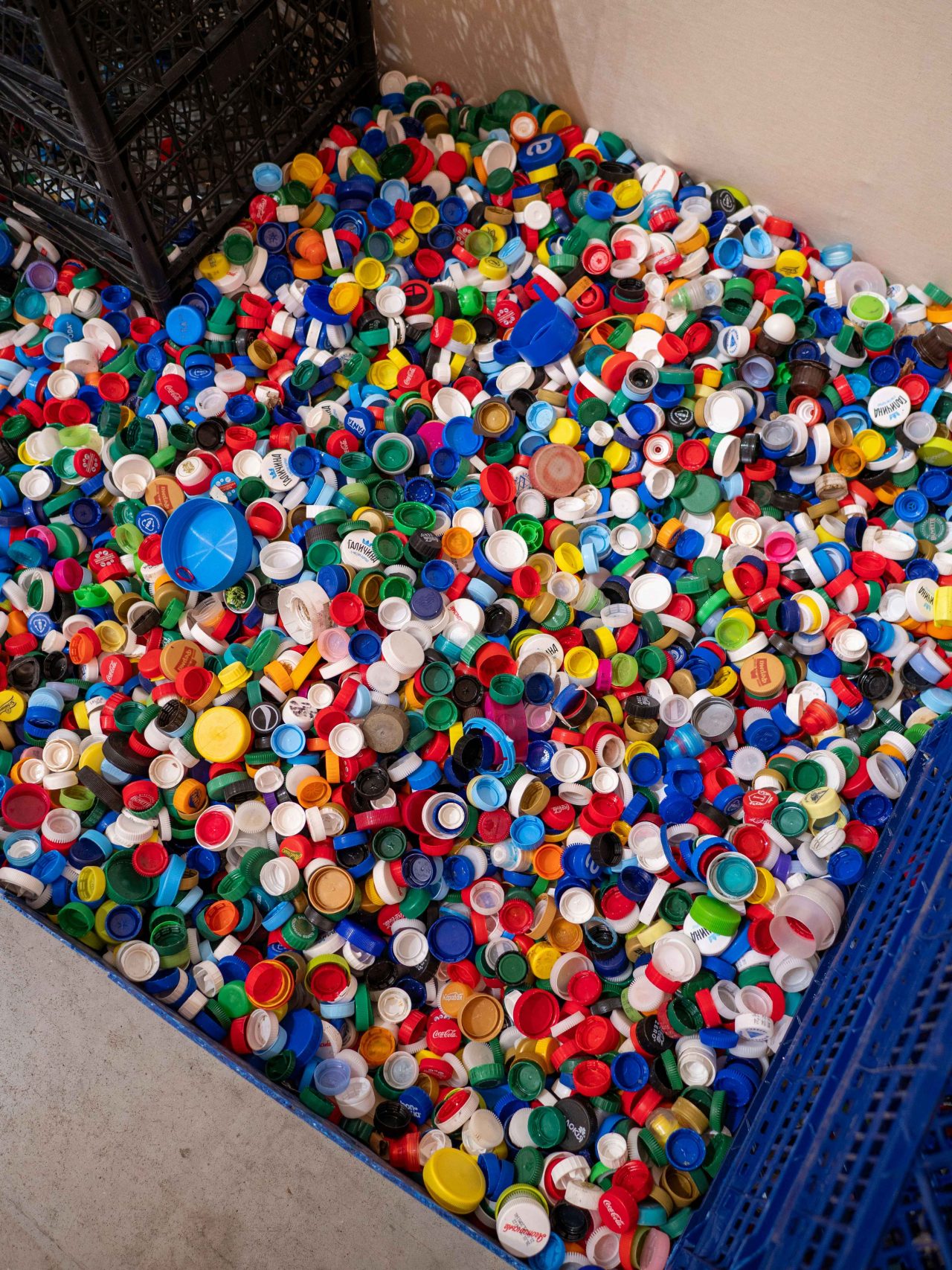
The project involved the preparation of complete financial statements, tax reporting, financial analysis, and advisory services for a plastic manufacturing and sales company. The main goal was to provide a clear picture of the company’s financial health, profitability, and cash flow management to aid strategic decision-making.
1. Statement of Financial Position (SOFP / Balance Sheet)
- Assets:
- Current Assets: Cash, accounts receivable, raw materials inventory, finished goods inventory.
- Non-Current Assets: Machinery, equipment, and factory building.
- Liabilities:
- Current Liabilities: Accounts payable, short-term loans, accrued expenses.
- Non-Current Liabilities: Long-term bank loans and deferred tax liabilities.
- Equity:
- Share capital, retained earnings, and reserves.
Purpose: Provided management with a clear snapshot of financial position at a given date, highlighting the company’s net worth, liquidity, and capital structure.
2. Profit & Loss Statement (P&L / Income Statement)
- Revenue: Sales from plastic products, broken down by product type (e.g., packaging materials, moulded products).
- Cost of Goods Sold (COGS): Raw materials, production labour, machine maintenance, and factory overhead.
- Gross Profit: Revenue minus COGS.
- Operating Expenses: Administrative expenses, salaries, marketing, utilities, depreciation.
- Net Profit: Profit before and after tax.
Purpose: Assessed the operational profitability and identified areas where costs could be optimized.
3. Cash Flow Statement
- Operating Activities: Cash inflows from sales, outflows for raw materials, salaries, and operational expenses.
- Investing Activities: Purchase of machinery and equipment, sale of old assets.
- Financing Activities: Loan repayments, dividend payments, capital injections.
Purpose: Provided insights into cash liquidity, ensuring the company could meet operational and investment requirements without cash shortages.
4. Statement of Changes in Equity
- Tracked changes in share capital, retained earnings, and reserves during the reporting period.
- Adjustments due to net profit/loss, dividends paid, and additional capital introduced.
Purpose: Offered transparency into ownership changes and retained profits, helping stakeholders understand equity growth.
5. Tax Reporting & Compliance
- Calculated corporate income tax based on net profit.
- Ensured compliance with local tax regulations, including VAT/GST (if applicable) and payroll taxes.
- Prepared tax filings and submitted required reports to tax authorities.
Purpose: Ensured regulatory compliance, minimized penalties, and optimized tax liabilities.
6. Financial Analysis & Advisory
- Cost Analysis: Evaluated production costs to identify inefficiencies in raw material usage and labour allocation.
- Profitability Analysis: Analysed margins per product line to identify high-performing products.
- Cash Flow Advisory: Recommended strategies to improve cash flow, such as better receivable collection and inventory turnover.
- Budgeting & Forecasting: Provided projections for next year’s revenue, expenses, and cash requirements to support strategic planning.
Key Recommendations:
- Reduce raw material waste through process optimization.
- Reevaluate pricing strategy for low-margin products.
- Implement a more robust inventory management system to reduce holding costs.
- Schedule debt repayments to align with peak cash inflows.
7. Outcome & Impact
- Improved visibility into financial performance and operational costs.
- Streamlined cash flow, ensuring liquidity for production and growth activities.
- Provided actionable insights to enhance profitability and strategic decision-making.
- Ensured full tax compliance, reducing risk of penalties.
8. Tools & Methods Used
- Accounting Software: QuickBooks / Xero (or Excel for demonstration).
- Financial Reporting Templates: Customized for manufacturing operations.
- Analytical Methods: Ratio analysis, cost-benefit analysis, cash flow projections.