HomeCategory

Manufacturing

AllConstructionManufacturingPharmaceutical

Our strength, Your numbersProject Scope

This project covered financial reporting, taxation, and financial analysis for a garments manufacturing and selling business operating in the local market. The focus was on accurately capturing production costs, managing inventory across seasons, and providing financial clarity to support pricing and operational decisions.

https://vircorh.com/wp-content/uploads/2025/12/pew-nguyen-Ib0H1MGt5yw-unsplash.jpg

1. Statement of Financial Position (SOFP / Balance Sheet)

  • Assets:
    • Current Assets: Cash and bank balances, trade receivables from local retailers, raw materials inventory (fabric, accessories), work-in-progress, and finished goods inventory.
    • Non-Current Assets: Sewing machines, production equipment, factory fixtures, and office assets.
  • Liabilities:
    • Current Liabilities: Trade payables to suppliers, accrued wages, utilities, short-term borrowings, and tax liabilities.
    • Non-Current Liabilities: Long-term loans and equipment financing.
  • Equity:
    • Owner’s capital, retained earnings, and reserves.

Purpose:
Provided a clear view of the company’s financial position, particularly inventory levels, working capital, and funding structure.

2. Profit & Loss Statement (Operational Results)

  • Revenue:
    • Sales of garments through local retailers and direct market channels.
  • Cost of Goods Sold:
    • Fabric and accessories, production labor, factory overheads, and manufacturing-related expenses.
  • Operating Expenses:
    • Selling and distribution costs, administrative salaries, utilities, marketing, and depreciation.
  • Net Profit:
    • Profit before and after tax for the reporting period.

Purpose:
Evaluated product profitability and highlighted the impact of production costs and pricing on overall margins.

3. Cash Flow Statement

  • Operating Activities:
    • Cash received from garment sales.
    • Payments for raw materials, wages, utilities, and operating expenses.
  • Investing Activities:
    • Purchase or replacement of production equipment and machinery.
  • Financing Activities:
    • Loan proceeds, repayments, and owner capital contributions.

Purpose:
Assessed cash flow timing, especially during high-production and peak sales seasons.

4. Statement of Changes in Equity

  • Reflected changes in retained earnings driven by operating results.
  • Recorded capital contributions and withdrawals.

Purpose:
Tracked how business performance affected owner equity over time.

5. Tax Reporting & Compliance

  • Calculation and filing of corporate or business income tax.
  • Compliance with sales tax / VAT, payroll-related taxes, and other statutory obligations.
  • Preparation of tax schedules aligned with financial statements.

Purpose:
Ensured accurate and timely tax compliance while maintaining consistency with reported financial results.

6. Financial Analysis

  • Cost Analysis:
    • Reviewed material and labor costs to identify production inefficiencies.
  • Product Margin Analysis:
    • Compared profitability across different garment lines and styles.
  • Inventory Analysis:
    • Evaluated stock levels, slow-moving items, and seasonal inventory risks.
  • Working Capital Review:
    • Assessed the balance between inventory, receivables, and payables.

7. Financial Observations & Insights

  • Identified cost pressures in raw materials and labor.
  • Highlighted seasonal inventory accumulation impacting cash flow.
  • Provided guidance on pricing adjustments to protect margins.
  • Suggested improvements in inventory turnover and production planning.

8. Project Outcome

  • Accurate and structured financial statements for management review.
  • Improved visibility into production costs and product profitability.
  • Better cash flow planning aligned with seasonal demand.
  • Financial insights supporting pricing, inventory, and production decisions.

9. Reporting Tools & Methodology

  • Accounting software and Excel-based cost models.
  • Customized inventory and cost tracking reports.
  • Periodic financial summaries for operational planning.

Our strength, Your numbersProject Scope

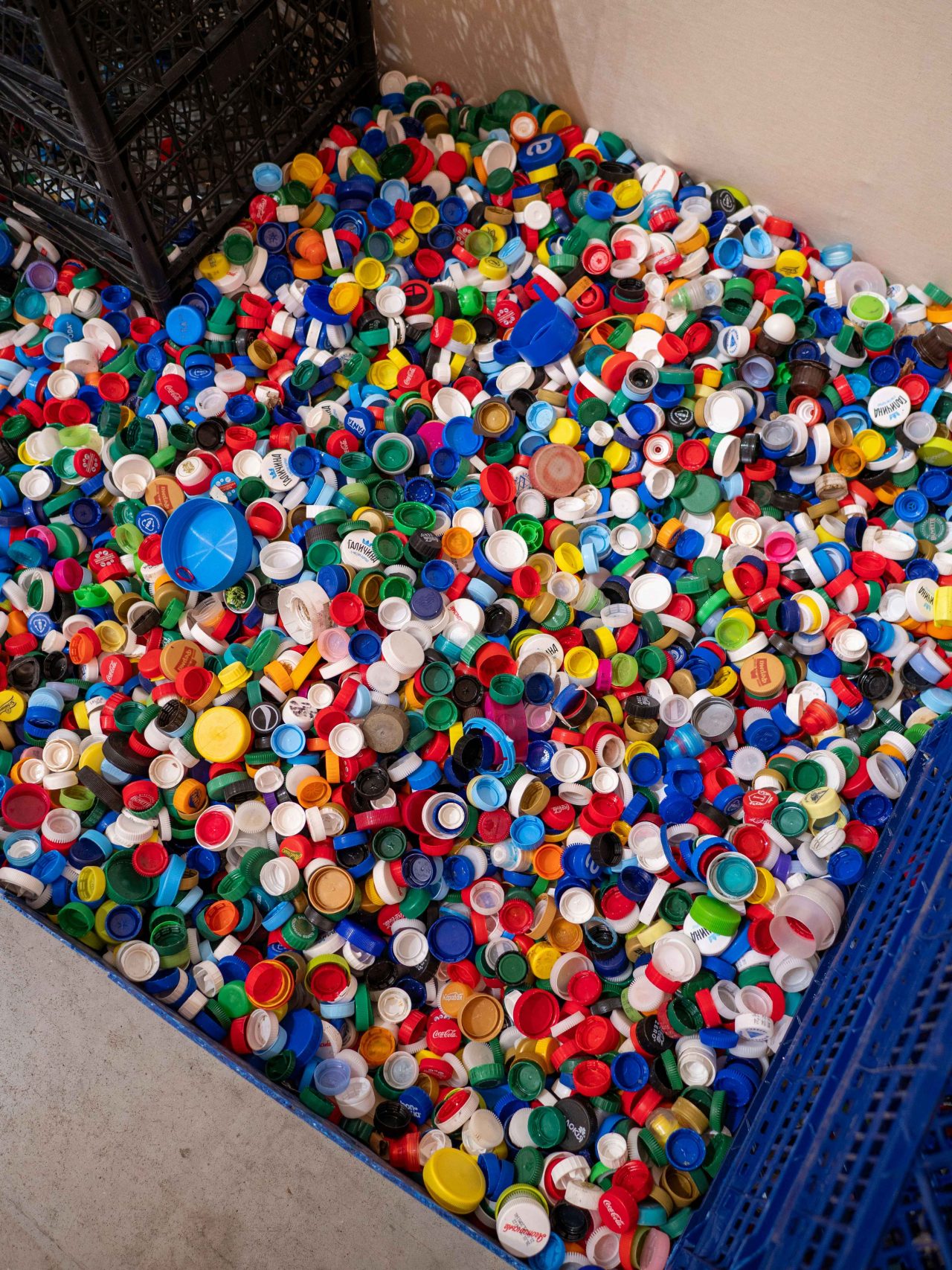
The project involved the preparation of complete financial statements, tax reporting, financial analysis, and advisory services for a plastic manufacturing and sales company. The main goal was to provide a clear picture of the company’s financial health, profitability, and cash flow management to aid strategic decision-making.

https://vircorh.com/wp-content/uploads/2025/12/camera-obscura-AAYxw01UQ5c-unsplash-1-1280x1707.jpg

1. Statement of Financial Position (SOFP / Balance Sheet)

  • Assets:
    • Current Assets: Cash, accounts receivable, raw materials inventory, finished goods inventory.
    • Non-Current Assets: Machinery, equipment, and factory building.
  • Liabilities:
    • Current Liabilities: Accounts payable, short-term loans, accrued expenses.
    • Non-Current Liabilities: Long-term bank loans and deferred tax liabilities.
  • Equity:
    • Share capital, retained earnings, and reserves.

Purpose: Provided management with a clear snapshot of financial position at a given date, highlighting the company’s net worth, liquidity, and capital structure.

2. Profit & Loss Statement (P&L / Income Statement)

  • Revenue: Sales from plastic products, broken down by product type (e.g., packaging materials, moulded products).
  • Cost of Goods Sold (COGS): Raw materials, production labour, machine maintenance, and factory overhead.
  • Gross Profit: Revenue minus COGS.
  • Operating Expenses: Administrative expenses, salaries, marketing, utilities, depreciation.
  • Net Profit: Profit before and after tax.

Purpose: Assessed the operational profitability and identified areas where costs could be optimized.

3. Cash Flow Statement

  • Operating Activities: Cash inflows from sales, outflows for raw materials, salaries, and operational expenses.
  • Investing Activities: Purchase of machinery and equipment, sale of old assets.
  • Financing Activities: Loan repayments, dividend payments, capital injections.

Purpose: Provided insights into cash liquidity, ensuring the company could meet operational and investment requirements without cash shortages.

4. Statement of Changes in Equity

  • Tracked changes in share capital, retained earnings, and reserves during the reporting period.
  • Adjustments due to net profit/loss, dividends paid, and additional capital introduced.

Purpose: Offered transparency into ownership changes and retained profits, helping stakeholders understand equity growth.

5. Tax Reporting & Compliance

  • Calculated corporate income tax based on net profit.
  • Ensured compliance with local tax regulations, including VAT/GST (if applicable) and payroll taxes.
  • Prepared tax filings and submitted required reports to tax authorities.

Purpose: Ensured regulatory compliance, minimized penalties, and optimized tax liabilities.

6. Financial Analysis & Advisory

  • Cost Analysis: Evaluated production costs to identify inefficiencies in raw material usage and labour allocation.
  • Profitability Analysis: Analysed margins per product line to identify high-performing products.
  • Cash Flow Advisory: Recommended strategies to improve cash flow, such as better receivable collection and inventory turnover.
  • Budgeting & Forecasting: Provided projections for next year’s revenue, expenses, and cash requirements to support strategic planning.

Key Recommendations:

  • Reduce raw material waste through process optimization.
  • Reevaluate pricing strategy for low-margin products.
  • Implement a more robust inventory management system to reduce holding costs.
  • Schedule debt repayments to align with peak cash inflows.


7. Outcome & Impact

  • Improved visibility into financial performance and operational costs.
  • Streamlined cash flow, ensuring liquidity for production and growth activities.
  • Provided actionable insights to enhance profitability and strategic decision-making.
  • Ensured full tax compliance, reducing risk of penalties.

8. Tools & Methods Used

  • Accounting Software: QuickBooks / Xero (or Excel for demonstration).
  • Financial Reporting Templates: Customized for manufacturing operations.
  • Analytical Methods: Ratio analysis, cost-benefit analysis, cash flow projections.

VircorhOur Place
Empowering businesses with reliable accounting services designed for efficiency, transparency, and growth.
Our PartnersQuickBooks Solutions Partner
https://vircorh.com/wp-content/uploads/2026/02/quickbooks-online-certification-level-2-160x160.png
Disclaimer
“Vircorh” is a brand of Virtual Corporate Hub (Pvt) Ltd, a company incorporated in Sri Lanka (Registration No. PV00351439). Virtual Corporate Hub Pvt Ltd is a separate legal entity and provides professional accounting and advisory services. The name “Vircorh” is used for branding purposes and does not constitute a separate legal entity.
Get in touchVircorh Social links
Driving transformation through adaptive and scalable innovation.
VircorhOur Place
Empowering businesses with reliable accounting services designed for efficiency, transparency, and growth.
Our PartnersQuickBooks & XERO Solutions Partner
https://vircorh.com/wp-content/uploads/2026/02/quickbooks-online-certification-level-2.png
Get in touchVircorh Social links
Driving transformation through adaptive and scalable innovation.

Copyright by VirtualCorporateHub. All rights reserved.